
Comparing Jun and Kombucha Fermentation for Home Brewing
Jun relies on raw honey and green tea, while Kombucha uses cane sugar and black tea, shaping distinct fermentation profiles and flavor notes. A typical batch ferments for 7 to 14 days, but Jun's process often finishes faster due to its yeast and bacteria balance. Home brewers find Jun delivers a lighter, floral taste, while Kombucha produces a sharper, tangy result. When friends gather to sample these drinks, talk shifts to picking the night's game–questions about bonus spins, minimum deposits, and how fast payouts arrive fill the room as glasses are refilled.
People who brew at home often take pride in perfecting their technique and sharing the results with friends. As they gather to sample each new batch, the evening naturally turns into a chance to swap stories about favorite online casino game experiences and the bonuses they look forward to. Many choose verdecasino for its generous welcome bonuses that give newcomers a real boost. This sense of discovery keeps the conversation lively and encourages everyone to try something new, both in brewing and in play.
How do Jun and Kombucha differ in fermentation?
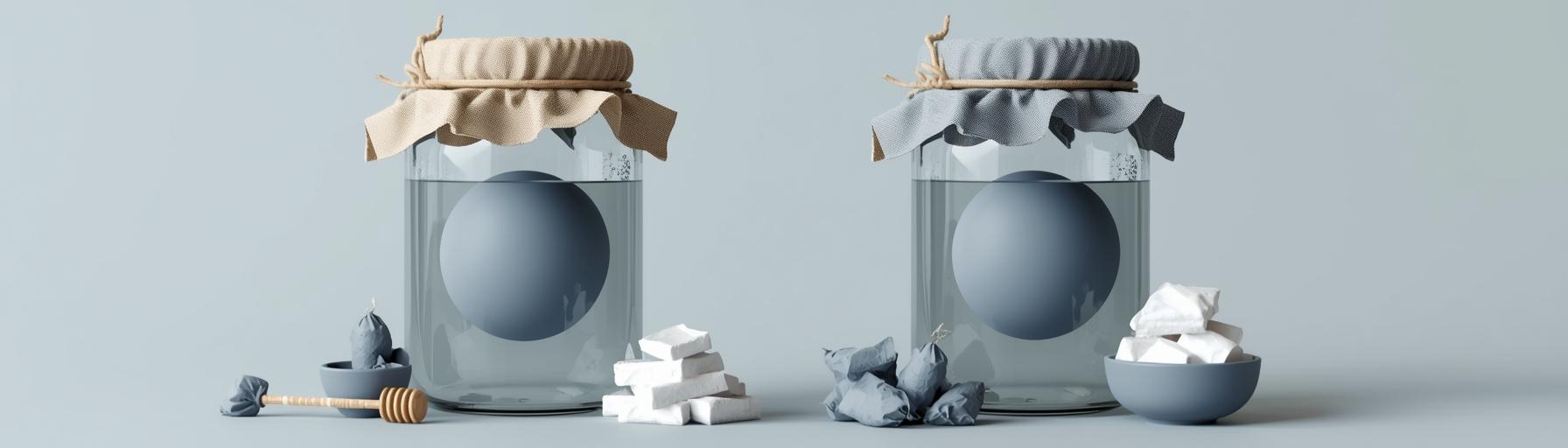
Jun fermentation relies on raw honey and green tea, producing a lighter, floral profile, while kombucha uses cane sugar and black tea for a bolder taste. This distinction affects not only the final flavor but also the microbes involved and the time required for each batch to mature.
| Primary Sugar | Tea Base | Fermentation Days | Optimal Temperature |
|---|---|---|---|
| Raw honey | Green tea | 3-7 | 18-22°C |
| White sugar | Black tea | 7-14 | 22-28°C |
| Blended honey | Mixed green teas | 4-6 | 20°C |
| Refined sugar | Flavored black tea | 10-12 | 25°C |
Batch timing often decides which drink appears at a gathering: Jun is ready in days, while kombucha needs patience. When friends gather at home for a tasting, the conversation often drifts from brewing tips to which online slots have paid out lately, or comparing sign-up bonus offers between different sites.
Which drink is easier for beginners?

First attempts at brewing Jun or Kombucha at home reveal clear differences in what each process demands. Simpler steps and fewer ingredient variables give Jun a gentler learning curve, while Kombucha recipes often require more careful timing. In group settings, homemade drinks often lead to relaxed evenings where online blackjack or no-deposit bonuses become a shared side attraction.
Sourcing ingredients and equipment
Locating green tea and honey for Jun often requires more searching than finding black tea and sugar for kombucha. Most supermarkets carry kombucha starter kits and cultures, while Jun cultures appear mainly through specialty retailers or fermentation communities, creating a barrier for anyone hoping to start quickly. Equipment overlaps–glass jars and cloth covers work for both–but honey’s price and sourcing complicate the Jun process, especially in regions where raw honey is not common.
A shortage of Jun cultures at local stores means new brewers face shipping delays or must join niche online groups to source the key ingredient, while kombucha’s starter is widely available and often passed along among friends.
Anyone looking for a same-day fermentation project will find kombucha far more accessible, while Jun’s requirements slow down first attempts. For a weekend gathering that features homemade drinks, the ease of setting up kombucha brewing leaves more time for group activities like trying out blackjack or discussing the latest slot bonuses at an online casino.
Managing the first fermentation batch
First batches of Jun often finish fermentation faster than kombucha, which can shift evening plans if not watched closely. This timing difference matters when a group gathers at home for a relaxed night, as opening a batch at the right moment can anchor the flow of conversation and activities.
- Jun's rapid fermentation suits spontaneous gatherings
- Lighter Jun flavors pair easily with snacks and card games
- Kombucha's forgiving acidity hides minor timing errors
- Both drinks offer a centerpiece for sharing stories and tasting sessions
- Jun's delicate taste turns sour quickly if left unattended
- Kombucha's longer process can drag into another day, missing the planned event
- Both drinks can suffer from inconsistent carbonation, disrupting the unveiling
Bottling Jun or kombucha too late often leads to flat or overly tart drinks that can dampen the excitement of tasting together. During these evenings, friends frequently drift to online slots or jackpot rounds between sips, drawn by the chance to pool their welcome bonuses or debate the quirks of free spin offers.
A smoother start with Jun leaves more energy for social activities and less stress over fermentation details. With the drink sorted, conversations often drift to the latest online card games or how a friend landed a bonus on a live table.
How do flavor and health benefits compare?
Jun brings floral honey notes while kombucha leans tart and robust, shaping very different experiences at the glass. Flavors set the mood for relaxed evenings at home, where unique brews often spark conversation. Card games or a round of spins on a mobile app join the mix, especially when a group pools free spins or weighs up a sign up offer mid-pour.
Distinct flavor notes and sweetness
Honey and green tea give Jun a lighter, more floral taste than the sharper tang found in traditional Kombucha. This delicate sweetness changes the way friends experience homemade drinks during social evenings at home. When these gatherings stretch into late hours, the choice of beverage can shape the mood for activities like spinning slots or chasing bonuses online:
- Jun’s honey base – soft sweetness with floral high notes
- Kombucha’s cane sugar base – bolder, sour tang with earthy undertones
- Green tea in Jun – gentle, grassy finish that lingers after each sip
- Black tea in Kombucha – deeper, malty body
- Pairing with games – Jun’s subtle profile balances strong flavors from snacks
When more than two homebrews are on the table, Jun’s mild edge stands out for those who dislike overwhelming acidity. During a night trading free spins or discussing which payout method clears fastest, the drink’s flavor often decides which glass is refilled first.
Probiotic content and wellness impact
Probiotic strains from Jun and Kombucha cultures diverge because of their different starter ingredients. This variation shapes both the wellness claims and the social experiences built around these beverages during evenings at home with friends:
- Jun fermentation often yields Lactobacillus and certain Bifidobacterium species, known for balancing gut flora and supporting digestion.
- Kombucha, brewed with black or green tea and sugar, typically develops Saccharomyces yeast and Gluconacetobacter bacteria, which produce acetic acid and may boost immune response.
- Serving either drink at gatherings brings a natural talking point about homemade living and wellness routines, especially when friends compare their effects after a meal.
- Online casinos frequently join these nights as a way to extend the gathering, with friends discussing slot jackpots or the quirks of free spin bonuses while sampling the latest batch of Jun or Kombucha.
- The presence of live cultures in these drinks stands in contrast to the instant rewards of online casino games, giving the evening a blend of long-term health focus and short-term excitement.
A gathering with thoughtfully brewed Jun or Kombucha offers a steadier wellness benefit than a session chasing casino wins. Casually switching between probiotic drinks and a round of blackjack or roulette bonus spins, conversation shifts from flavor notes to lucky streaks and back again, keeping the atmosphere lively and unpredictable.
Distinct flavors from Jun and kombucha have a way of anchoring a laid back night in. In these moments, a shared jackpot or a debate over wagering terms can slip easily into the rhythm, adding another layer to the gathering.
Who should avoid these fermented drinks?
People with weakened immune systems or those allergic to honey or tea should avoid Jun and Kombucha. Pregnant women and children may also face risks from unpasteurized products.
Jun uses honey, which can trigger reactions in those with bee product sensitivities, while Kombucha often contains more caffeine. During a relaxed night at home, homemade drinks sometimes lead to group activities like picking out new bonuses for blackjack or comparing the latest slot themes.
Unexpected side effects from fermentation, such as stomach upset, can end a gathering early. Choosing a reliable withdrawal method for game winnings becomes as important as knowing what goes into each glass.